본문
[Metaverse] CPR VR
CprPlus+
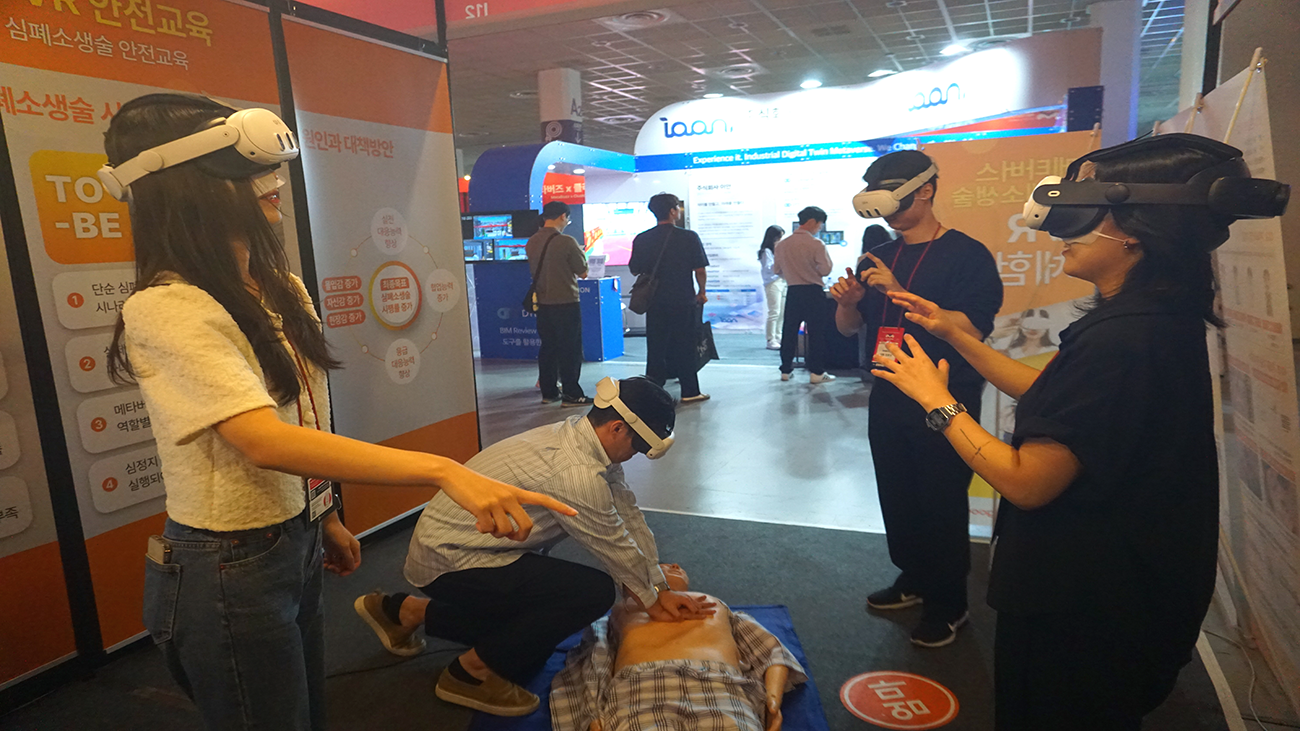
CPR Plus VR aims to improve crisis response capabilities by experiencing CPR on a team basis in a metaverse-based mixed reality (MR) environment. It is designed to develop effective emergency response capabilities in practical situations through role sharing and collaboration.
Content
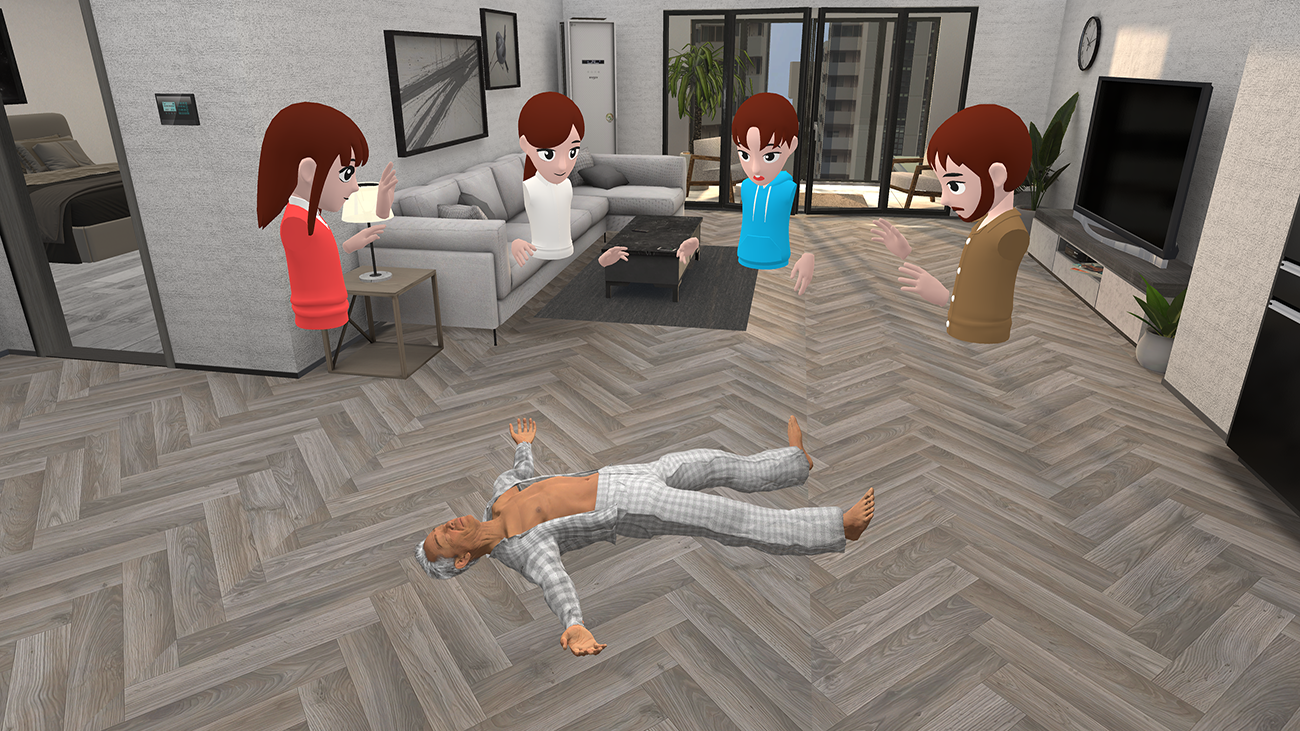
Metaverse CPR VR
This content is a metaverse-based CPR experience content in which two to four people participate together and utilizes mixed reality (MR) technology that combines virtual reality (VR) and augmented reality (AR). Users are given different roles and are developed with the aim of strengthening practical crisis response capabilities through smooth collaboration between members.
Content Overview
|
1. Content : Metaverse CPR VR 2. Type : Metaverse 3. Play time : 10 minutes of overall experience 4. Operation: Wireless(Mobile) 5. Devices : Meta Quest2, Meta Quest3, Meta Quest3S 6. Minimum space : 2m x 2m |
Devices
※ Since each device has different features, if you have any questions about it, please contact (+82) 02-2675-8803 / 8804 for further consultation.
-
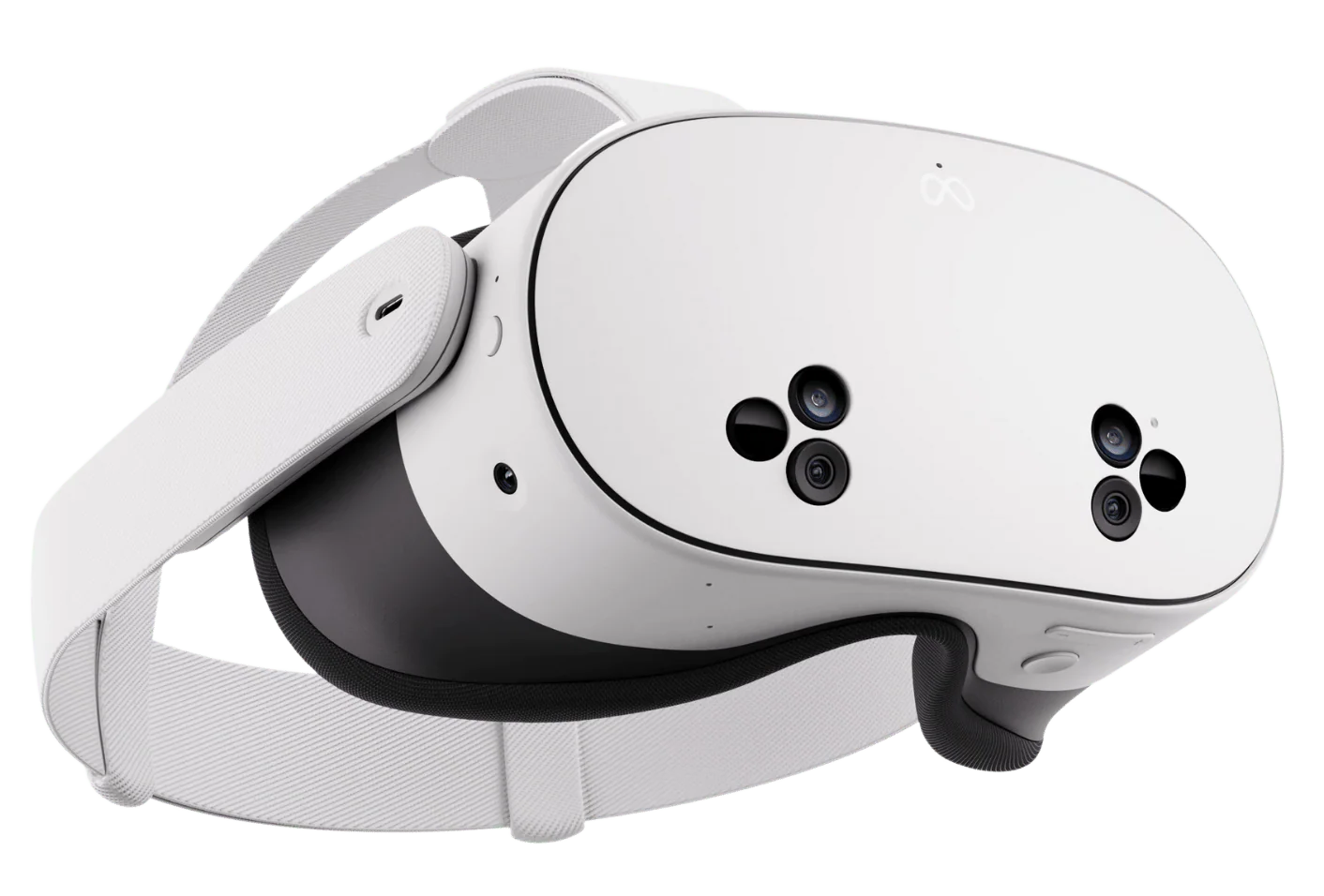
Meta Quest 2
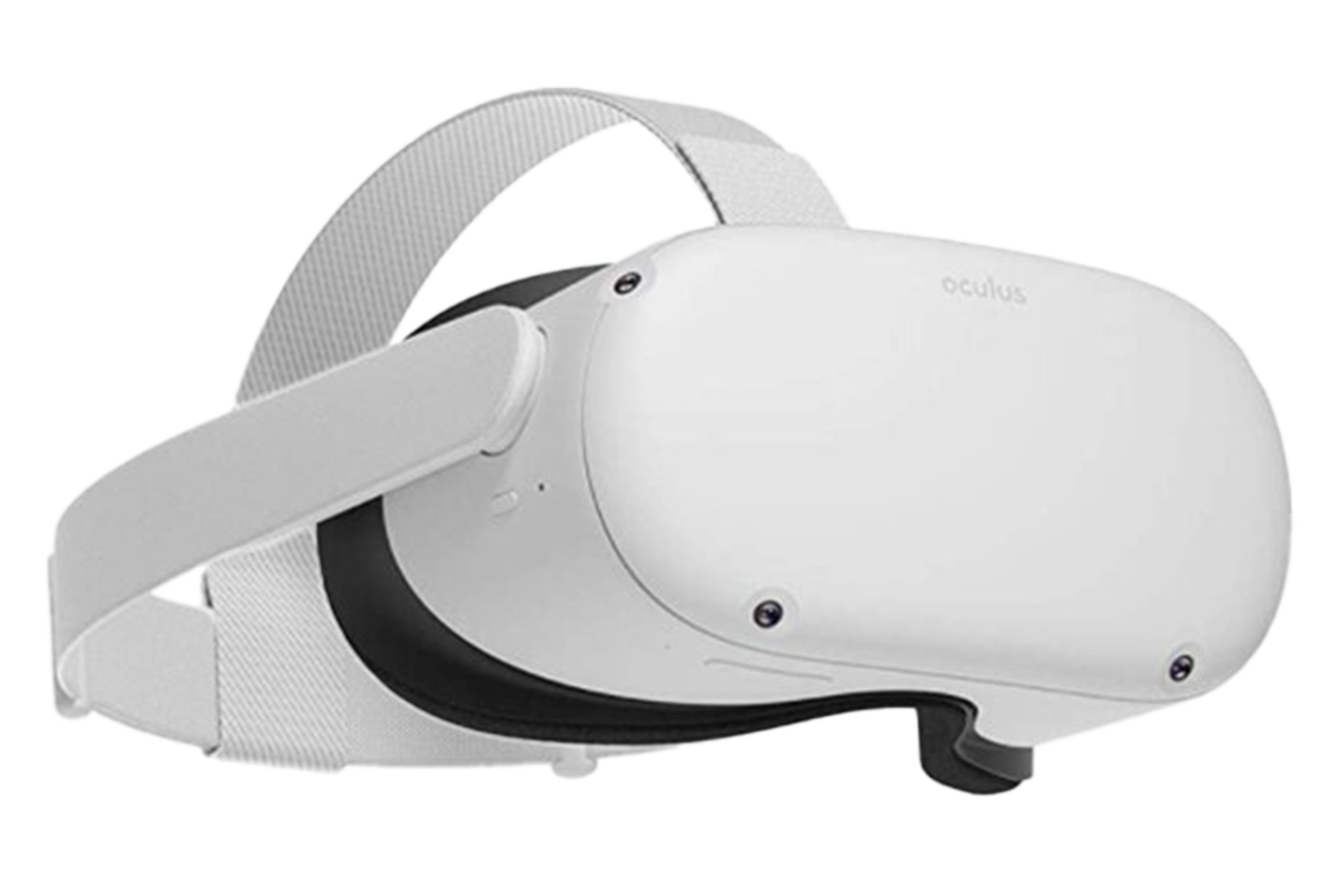
Wireless. Discontinued.
Only content compatible with existing purchased devices. -
Meta Quest 3
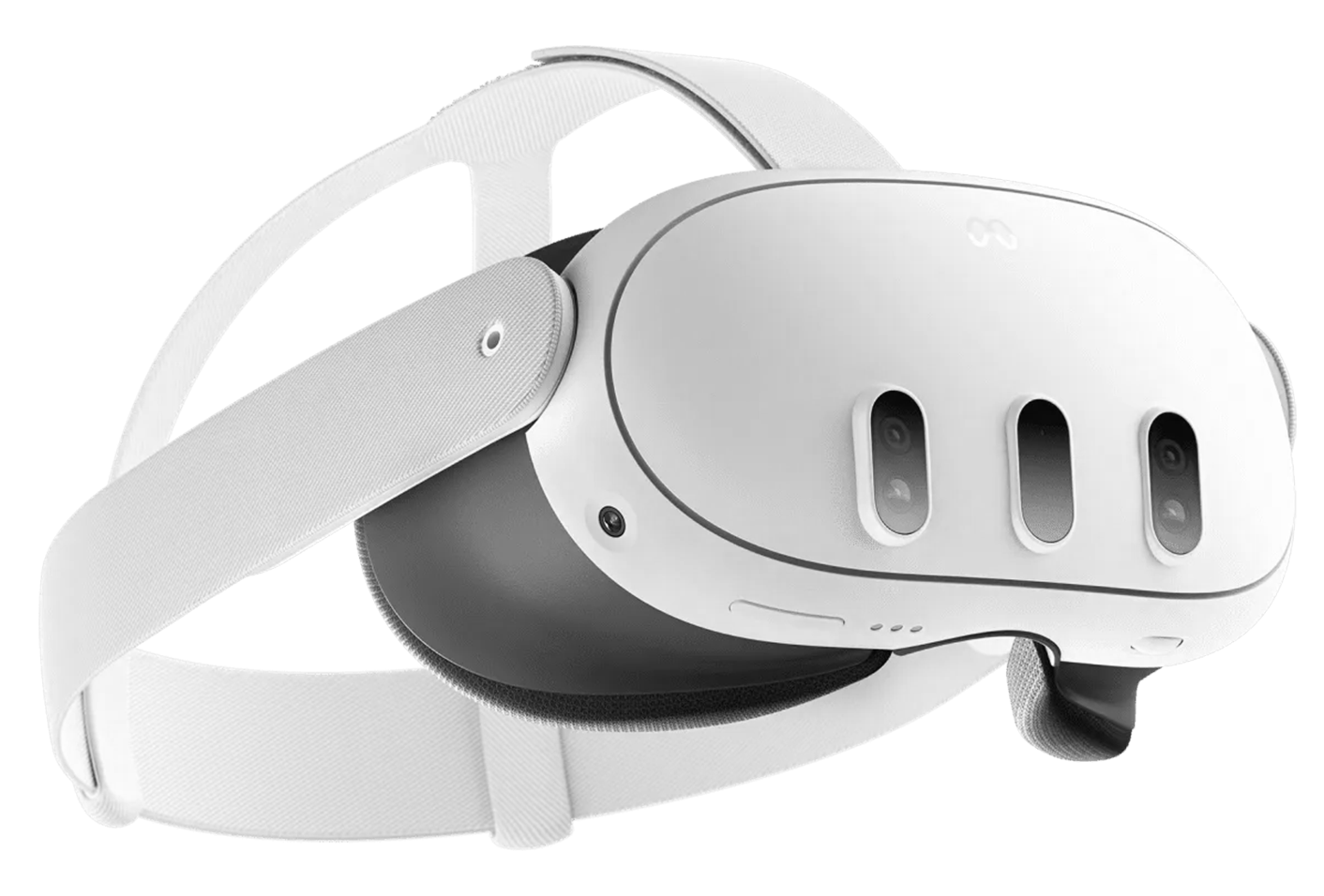
Wireless Only 512GB products available
If you own the device, only the content can be delivered separately. -
Vive PRO 2
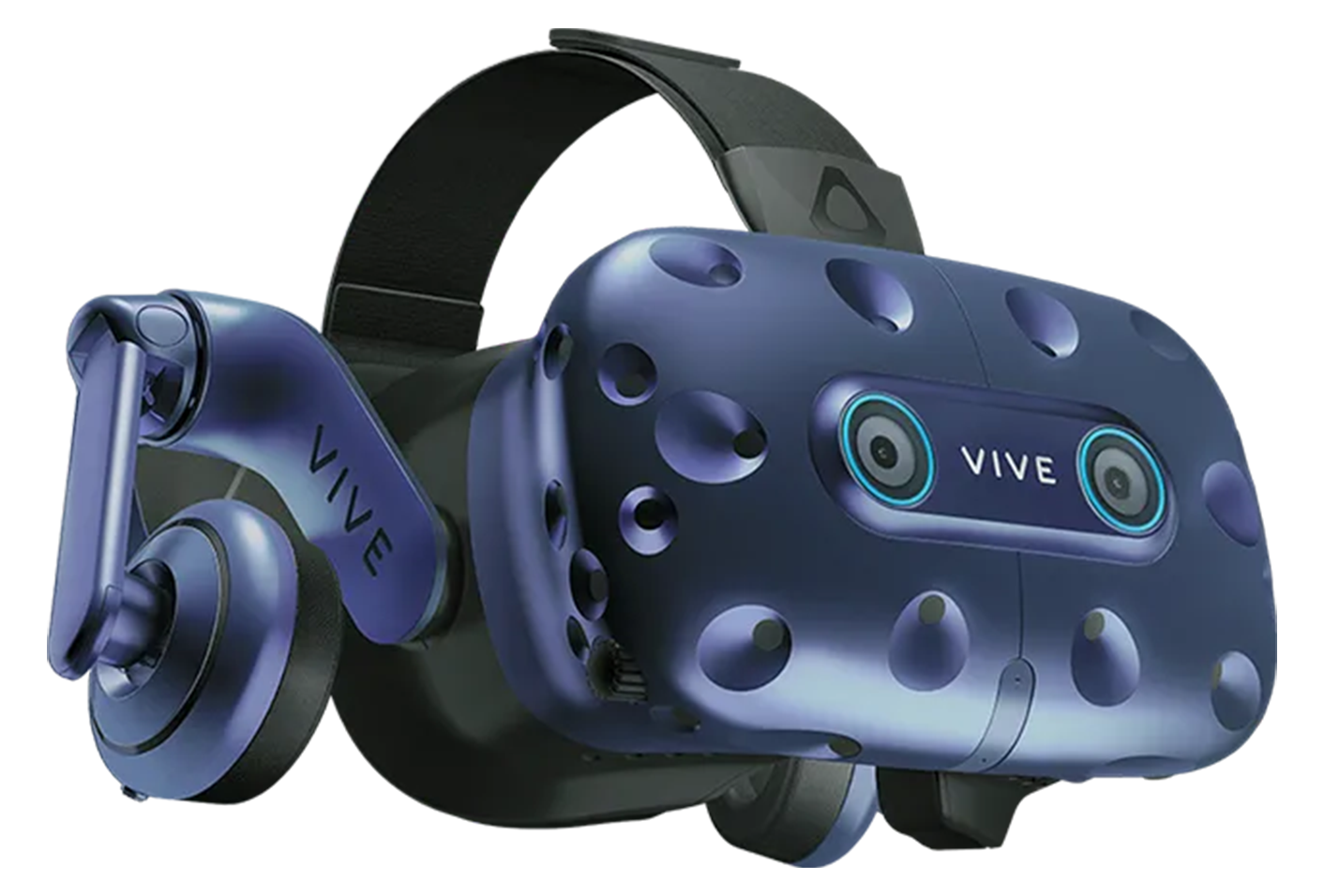
Streamlined High-performance VR
External simulator interworking is possible
Desktop Required
-
ㅁㄴㅇㅁㄴㅇㅇㅁㄴㅇㅁㄴㅇ ㄱ ㅅㅁㄴㅇㅁㄴㅇ3
Pre-Checklist
-
1
Choose between wired and wireless devices for training and operational purposes
Wired: Connecting PC and TV together allows managers to check in real time the trainee's progress (recommended for 1 to 3 units)
Wireless type: It is a type that is experienced with a single headset, and it is difficult to check the screen if you do not use a separate CMS program and mirroring function (recommended for large-scale deployments (up to 40 units)) -
2
Select the content you want
Peligood's industrial safety, disaster safety, disability experience, job experience, metaverse VR, and selection of about 20 contents -
3
Select the device type and simulator developed in conjunction with the desired content
Wire : Vibe Pro 2
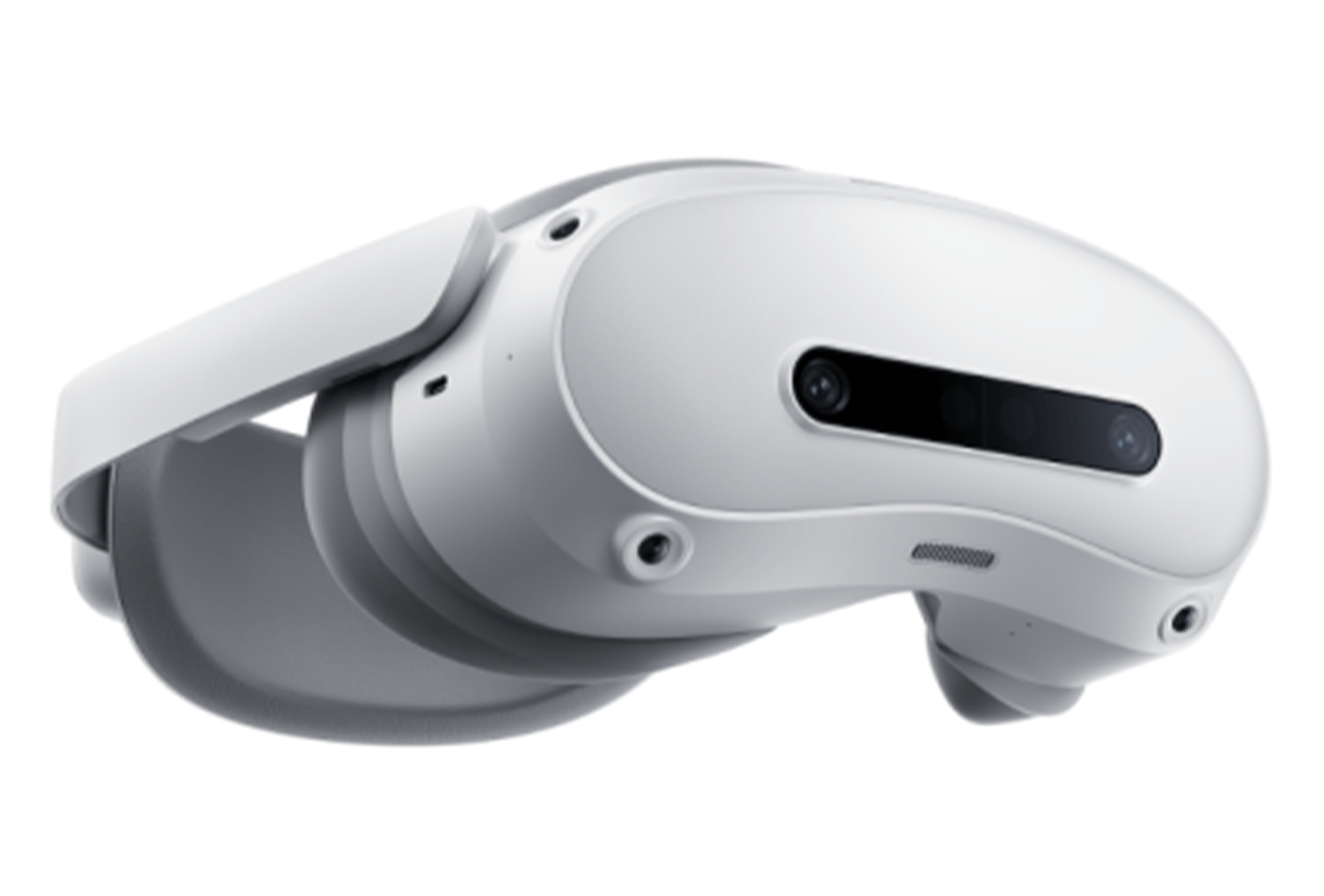
Wireless : Meta Quest3, Meta Quest3S, Pico4, Pico4 UltraMeta : Frequent UI/UX updates and potential inconsistencies due to its consumer-centric nature, along with limited support for enterprise (B2B) services
PICO : Support Enterprise (B2B) Services, but Relatively High Amount Compared to Meta
-
Content Features
-
1
Multi-access multi-play environments increase immersion and reduce tension -
2
Based on mixed reality (MR) technology Next Generation CPR Training -
3
Collaboration through role division Safety education system -
4
Practical response through repetitive training and strengthening crisis management capabilities
Content Composition
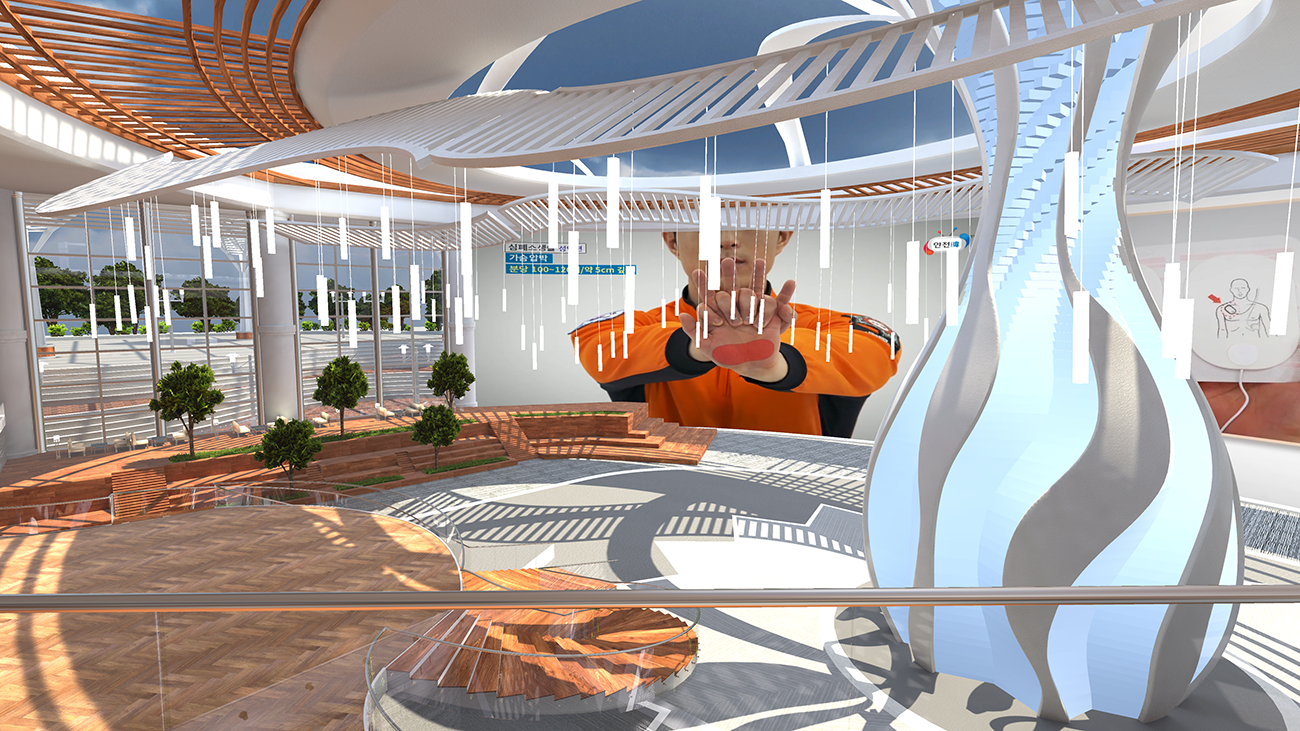
CPR VR is a role-playing safety education program that deals with emergency situations like real situations by dividing them into metaverse-based virtual reality content. As the situation unfolds in a hypothetical scenario, CPR, the main first aid, is realistically implemented through augmented reality (AR) technology, providing a new educational experience with next-generation mixed reality (MR) content that combines VR and AR. By adding virtual and reality to implement mixed reality (MR) environments, users can train repeatedly in realistic contexts beyond simple theoretical learning and effectively improve judgment and responsiveness in crisis situations. These immersive learning methods can expect higher learning transfer effects than traditional educational content and provide more vivid and practical experience-based safety education to the subjects. 1. Main Lobby (Virtual Reality) The main lobby, a metaverse-based content start point, is a user space that can be accessed by two to four users at the same time and checks the participants' connection status and readiness before content execution. This space is designed to enable mutual recognition among experienced people and serves to move to the Education Room, where full-fledged educational content takes place.
-
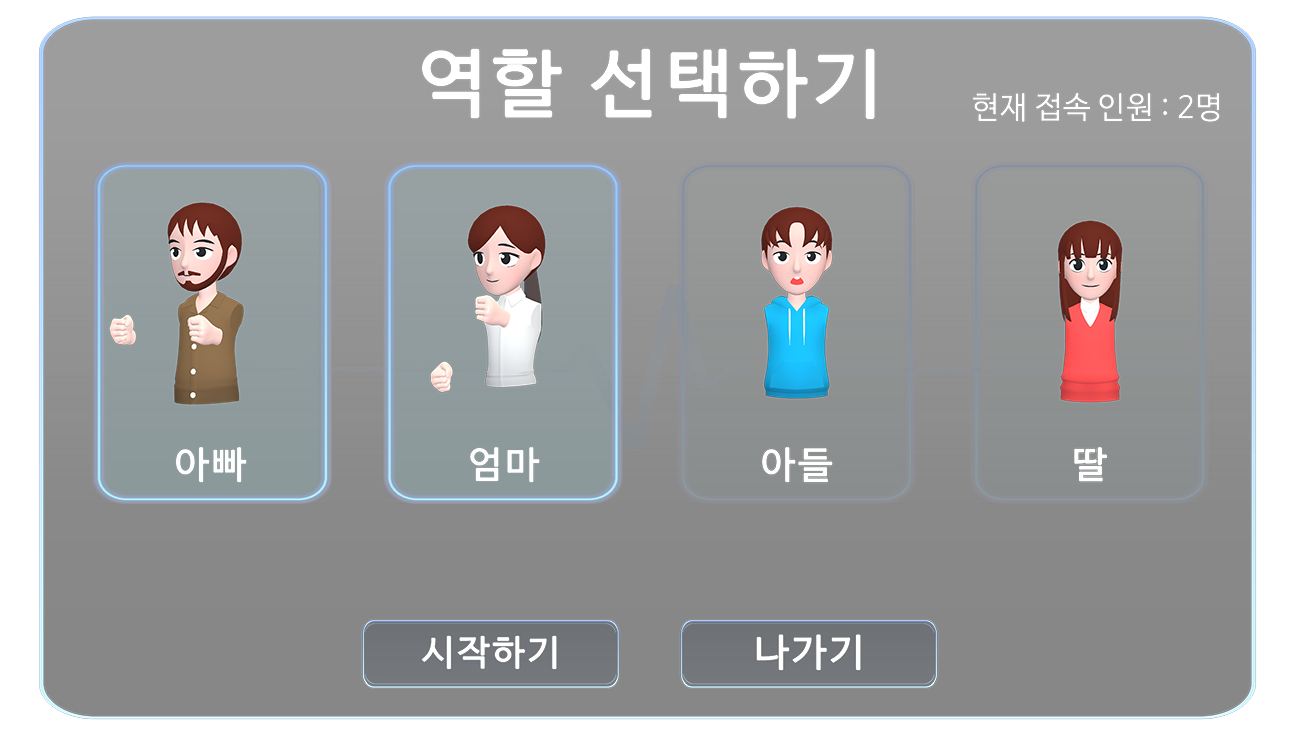 STEP 1Select Character (Virtual Reality)
The experiencer will choose a character before the start of the content, and each character has its own role in advance. In this system, role branch logic is automatically applied according to the number of participants of two to four, and appropriate roles are dynamically assigned to each experienced person.
-
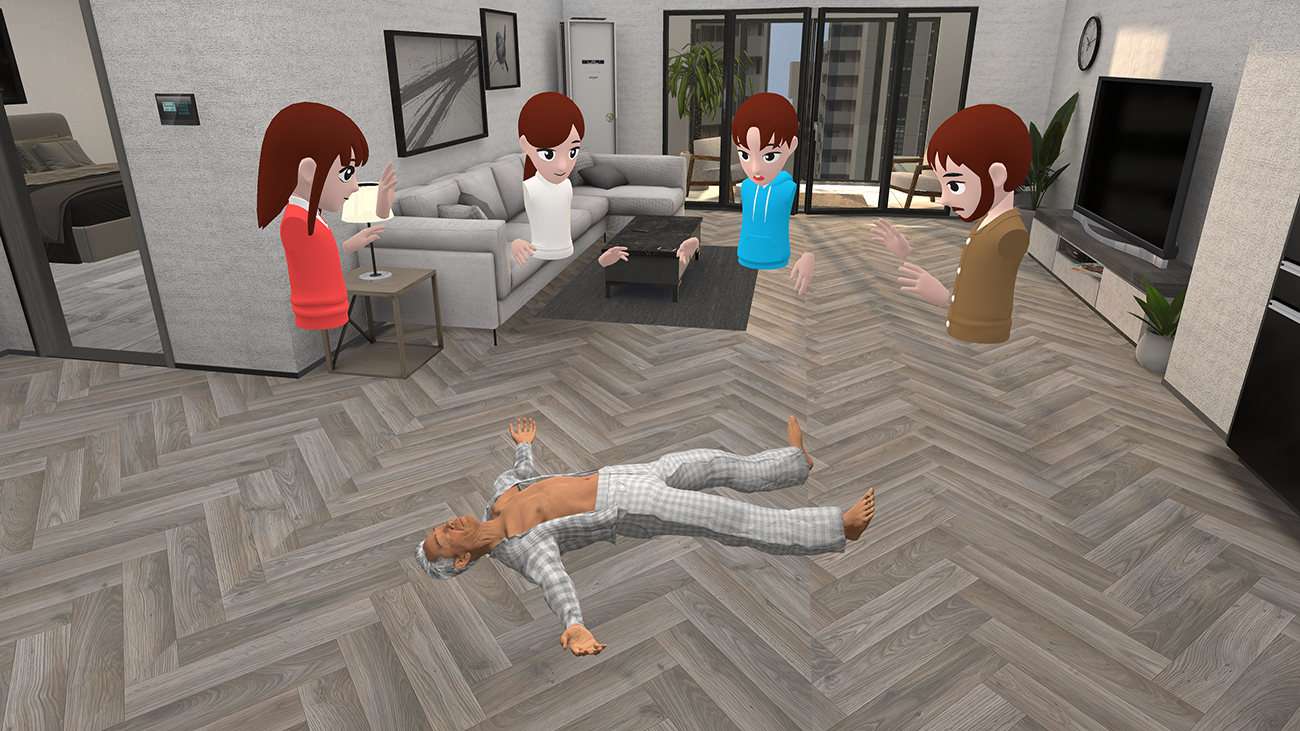 STEP 2Start Experience (Virtual Reality)
Once you enter the virtual scenario space, check the final connection status of all participants once again. The initial event is followed by the collapse of the patient (NPC set as grandfather), and all experienced people are given their roles by witnessing it at the same time.
-
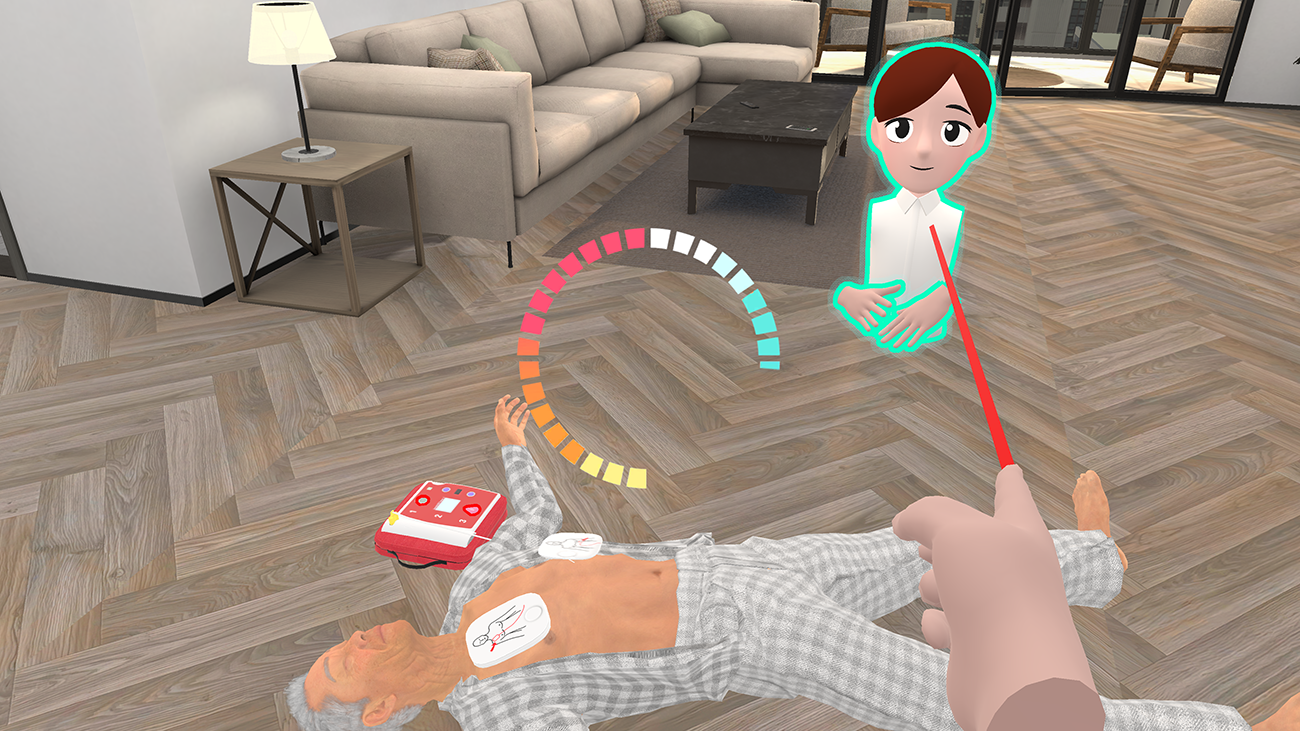 STEP 3Role Instructions (Virtual Reality)
The experienced person (P1) who has been assigned the role of the father is a situation leader, and guides other experienced people (P2) to necessary role instructions such as '119 report' and 'check the location of the defibrillator'. For P1 and P1, UI and guide pop-ups suitable for their roles are activated, and accordingly, interactions suitable for the situation are performed.
-
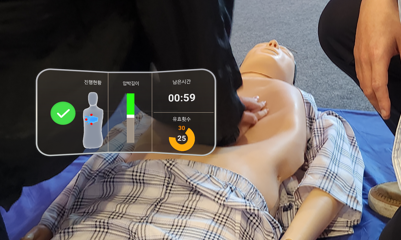 STEP 4Administer CPR (augmented reality)
The screen of the experiencer (P1) is moved from a virtual space to an AR-based space combined with a real environment as it transitions to an augmented reality mode. The pass-through function is activated at this time, and the user accesses the real grandfather Annie (Dummy) and implements CPR. P1 performs 30 CPR on the patient based on the correct chest compression speed and depth. P2 will simultaneously perform the assigned role in the virtual space.
-
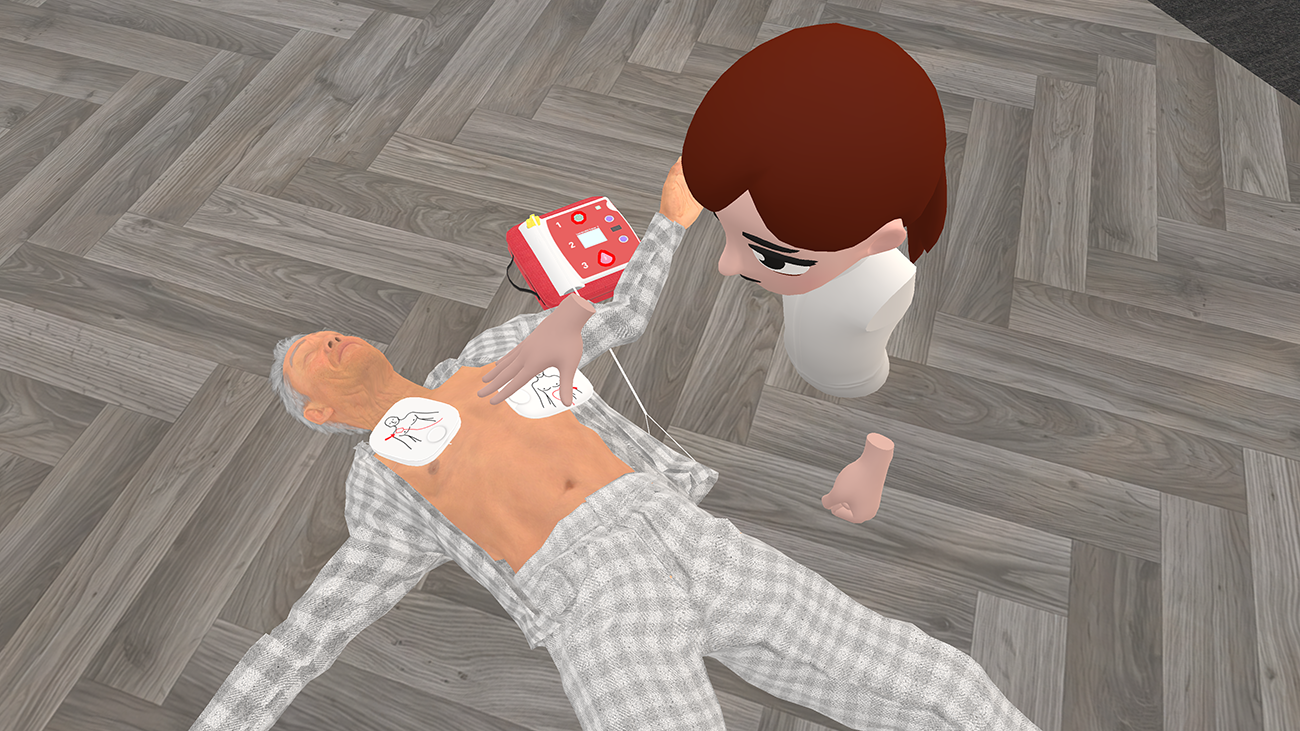 STEP 5Use defibrillator (virtual reality)
When CPR in augmented reality is completed, the access will return to virtual reality and be performed on the patient (grandfather) using a pre-introduced defibrillator.
-
 STEP 6Paramedics Arrive (Virtual Reality)
If P1 successfully performs CPR in a real environment (AR), the scene is moved back to virtual reality, and the defibrillator brought by P2 is implemented on the grandfather character. When performed through accurate AED usage, the final stage of the scenario, the paramedics arrive at the scene, and the first aid situation is completed.